The internet has completely changed how businesses attract customers and build their reputation. In today’s digital environment, having a great product or service is only part of the equation. If people cannot discover your brand online, even the best offers may go unnoticed. Web marketing helps businesses improve their visibility, connect with potential customers, and create a stronger digital presence.
Web marketing includes all the strategies and techniques used to promote a website, attract visitors, and encourage online engagement. It allows businesses of all sizes — from new companies to independent professionals — to reach targeted audiences without relying only on traditional advertising methods.
A website can be one of the most valuable assets for a business, but it only creates results when people can find and interact with it. This is why effective web marketing focuses on increasing visibility, improving user experience, and turning online visitors into customers.
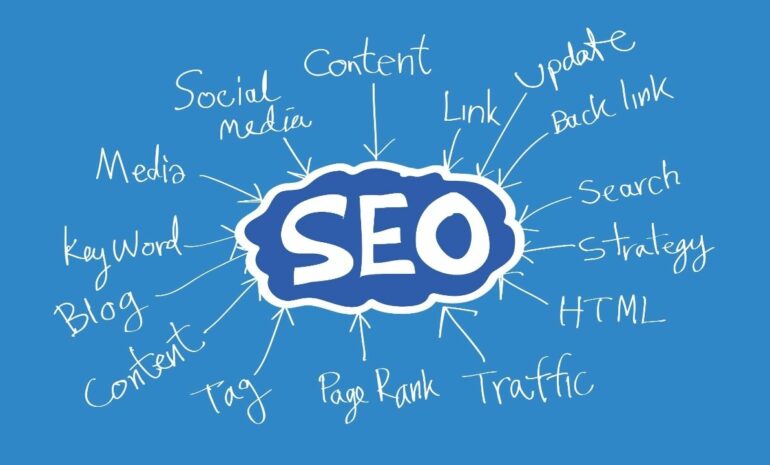
Web marketing includes several different approaches, each serving a specific purpose. Search engine optimization (SEO) focuses on improving a website’s position in search results so users can easily discover products, services, or information related to their needs. A strong SEO strategy involves creating useful content, researching relevant search terms, improving website structure, and building credibility through quality links.
Email marketing is another powerful method that allows businesses to communicate directly with their audience. Personalized emails can be used to share updates, promote offers, provide valuable information, and encourage customers to return. However, successful email marketing requires meaningful content rather than frequent messages that users may consider unwanted.
Pay-per-click advertising (PPC) allows businesses to promote their websites through paid online advertisements. Instead of paying a fixed amount regardless of results, companies pay when someone interacts with their advertisement. This approach can generate quick traffic, but success depends on creating effective ads, choosing the right audience, and directing visitors to well-designed landing pages.

Content marketing focuses on creating valuable materials that attract and educate an audience. Articles, guides, videos, newsletters, reports, and visual content can help businesses establish authority and build relationships with potential customers. High-quality content not only increases traffic but also improves trust and long-term engagement.
Affiliate marketing uses partnerships with individuals or organizations that promote products or services in exchange for a commission. This strategy allows businesses to expand their reach by working with people who already have access to relevant audiences.
The importance of web marketing continues to grow because consumers increasingly rely on the internet before making purchasing decisions. People search for reviews, compare options, research brands, and explore alternatives before choosing a product or service. If a business is difficult to find online, it risks losing potential customers to competitors.
A successful web marketing strategy helps businesses reach specific audiences, increase brand recognition, build customer loyalty, compete with larger companies, and measure performance through detailed analytics. Unlike traditional marketing, digital campaigns provide valuable insights into what works and what needs improvement.
To create an effective web marketing plan, businesses should begin by defining their goals. Clear objectives help determine which strategies should be used and how success will be measured. Common goals include increasing website traffic, improving brand awareness, generating leads, or increasing sales.
A useful approach is to create goals that are specific and measurable. For example, a company may aim to increase website visitors within a certain period or improve email engagement rates. Having clear targets makes it easier to evaluate progress and adjust strategies when necessary.
Before promoting a website, businesses should make sure the website itself is ready. A successful website should load quickly, work well on mobile devices, provide easy navigation, and include clear actions for visitors to take. A poor user experience can prevent marketing efforts from producing results.
After preparing the website, businesses should select strategies that match their audience, industry, and budget. SEO is often considered a long-term investment because improving search visibility requires consistent effort. Creating optimized content, researching relevant topics, and improving technical website performance can help attract organic traffic over time.
For businesses that need faster results, paid advertising can provide immediate visibility. Online advertising platforms allow companies to target specific groups based on interests, behaviors, and demographics. This makes paid campaigns more efficient when compared with traditional advertising methods.

Email marketing can also support long-term growth by keeping customers connected with a brand. Businesses can build subscriber lists, share useful resources, announce promotions, and send personalized messages based on customer interests. Regular communication helps maintain relationships and encourages repeat visits.
Once marketing campaigns are launched, performance should be monitored continuously. Analytics tools can reveal where visitors come from, which pages perform best, how users interact with the website, and where improvements are needed. Tracking these results allows businesses to make informed decisions instead of relying on assumptions.
Some companies choose to manage web marketing internally, while others work with specialists who can handle areas such as SEO, advertising, content creation, and analytics. Professional support can be especially useful for businesses that lack the time or expertise to manage complex digital campaigns.
However, even well-planned strategies can fail if common mistakes are ignored. One frequent problem is starting marketing activities without a clear direction. Posting content randomly or sending unrelated promotions without a strategy can confuse audiences and waste resources.
Another mistake is ignoring SEO. Even excellent content may not generate results if it cannot be discovered through search engines. Proper optimization helps ensure that valuable information reaches the right people.
Failing to measure performance is another major issue. Without tracking results, businesses cannot understand which strategies are successful and which require changes. Data analysis is essential for improving campaigns and maximizing return on investment.
Web marketing has become an essential part of modern business growth. It provides countless opportunities to reach new audiences, strengthen relationships, and increase revenue. Whether through SEO, content creation, email campaigns, paid advertising, or other digital methods, businesses can create meaningful connections with customers online.
The key to success is developing a clear strategy, choosing the right tools, understanding the target audience, and continuously improving based on results. Web marketing is not a one-time activity but an ongoing process that helps brands remain visible and competitive.
For businesses, creators, and professionals, investing in web marketing means creating opportunities in an increasingly digital world. By starting with a strong foundation and maintaining consistent effort, online visibility can become measurable growth and long-term success.