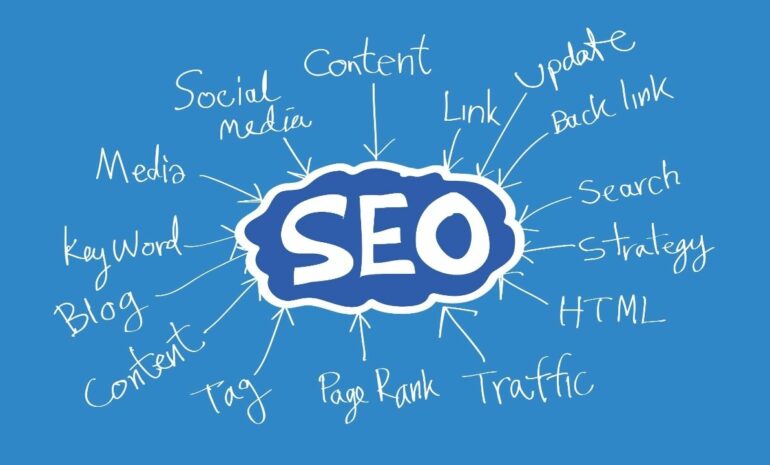
A successful website is more than an attractive online presence—it is a business tool designed to attract visitors, build trust, and generate results. Instead of treating your website as a one-time project, view it as an ongoing investment that evolves alongside your business. Regular updates, performance improvements, and fresh content help your website stay relevant and competitive.
A strong website strategy begins with understanding your business. Before thinking about design or technology, define what your company stands for, what makes it unique, and why customers should choose you over competitors. Your website should clearly communicate your mission, values, and unique selling points while focusing on the benefits you provide rather than simply listing features.
Researching your industry and competitors is equally important. Identify market trends, discover what customers appreciate or dislike, and determine how your business can stand out. Whether you compete through quality, pricing, speed, or expertise, your website should reinforce that advantage across its content, design, and messaging.

Knowing your target audience is essential for creating an effective website. Build a profile of your ideal customer by understanding their goals, challenges, interests, and expectations. Every page should answer a visitor’s primary question: “How can this business help me?” When your content speaks directly to customer needs, engagement naturally increases.
Clearly explain the benefits of your products or services. Visitors care less about technical specifications and more about the value they receive. Focus on solving problems, fulfilling needs, and answering common questions before potential customers have to ask. A well-organized FAQ section can reduce uncertainty while improving trust.
Every website should have a clearly defined objective. Whether the goal is generating leads, selling products, increasing subscriptions, or building brand awareness, every design and content decision should support that primary objective. At the same time, ensure your website structure is logical, with intuitive navigation that allows visitors to reach important information within a few clicks.
Content remains the foundation of every successful website. Publish valuable pages optimized around relevant keywords while addressing real customer questions. Service pages should explain your offers clearly, while educational articles help establish authority, improve search visibility, and attract organic traffic. High-quality content continues to deliver value long after publication.
Website design should prioritize usability before aesthetics. A beautiful website has little value if visitors struggle to navigate it or complete important actions. Use clean layouts, readable typography, clear calls to action, and consistent branding to create a smooth user experience. Simplicity often outperforms unnecessary visual complexity.
Choosing the right technology depends on your business needs rather than current trends. Whether you use a content management system or a custom-built solution, your website should be secure, scalable, and capable of supporting future growth without sacrificing performance.
Website performance directly influences user satisfaction and search rankings. Fast loading times, mobile responsiveness, reliable functionality, and technical optimization should always be priorities. Monitor your website regularly using analytics and user behavior tools to identify opportunities for improvement.
Optimization doesn’t stop after launch. Analyze visitor behavior, test different layouts, headlines, and calls to action, and continuously refine your website to improve conversions. Small adjustments based on real data often produce significant long-term results.

Ultimately, an effective website strategy connects business objectives with customer needs. When every aspect of your website—from messaging and content to design and performance—works toward a common goal, your website becomes a powerful asset that supports sustainable business growth rather than simply existing online.