A few years ago, simple visual effects like button shadows, smooth scrolling, and animated transitions were considered groundbreaking. Today, features such as dark mode, gradients, and interactive movement have become expected parts of modern websites.
As we approach 2026, web design is entering another stage of evolution. Designers are moving beyond decoration and focusing on creating digital experiences that feel more immersive, personal, accessible, and interactive. New technologies, creative layouts, and artificial intelligence are changing how users connect with websites.
This overview explores the biggest web design trends expected to shape 2026, including emerging visual styles, AI-powered experiences, and the reasons these approaches are becoming increasingly important.
Immersive 3D Experiences
Websites are becoming more dynamic by adding depth, movement, and interactive elements. Instead of relying only on traditional images, designers are using 3D models, virtual environments, and interactive animations to create more engaging experiences.
Modern technologies allow users to rotate products, explore spaces virtually, and interact with digital objects before making decisions. Online shopping, real estate, and entertainment platforms are increasingly adopting these features to make websites feel closer to real-world experiences.
Design tools now make it easier to experiment with 3D-inspired layouts, animated transitions, and interactive prototypes before development begins.
Creative and Unusual Navigation
Traditional menus are no longer the only way users explore websites. Many designers are experimenting with navigation systems that feel more like journeys rather than simple page switching.
Circular menus, hidden panels, interactive maps, and non-linear browsing experiences are becoming more popular. These approaches encourage exploration and make websites feel unique.
Prototyping platforms allow teams to test unconventional navigation ideas and create smoother user journeys before launching a final product.
Bright and Expressive Color Schemes
Color choices in web design are becoming more energetic and experimental. In 2026, bold combinations, vivid gradients, and high-contrast palettes are expected to replace many of the softer minimalist styles that dominated previous years.
Inspired by retro aesthetics, digital culture, and emotional design principles, bright colors help brands create memorable experiences. Lifestyle, entertainment, beauty, and creative industries are especially embracing this direction.
Designers can experiment with gradients, overlays, and unexpected combinations to develop visual identities that feel distinctive.
Typography as a Main Design Element
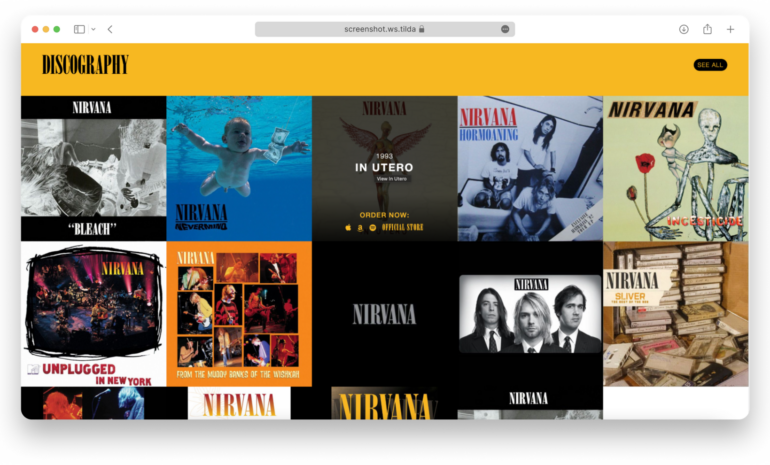
Text is becoming more than a way to communicate information. Large headlines, custom fonts, animated lettering, and creative layouts are turning typography into a major visual feature.
Many websites are using oversized text, moving type effects, and unique font combinations to immediately capture attention. Typography is becoming part of the brand personality rather than just a supporting element.
Interactive prototypes make it possible to test animated text, layered compositions, and responsive typography concepts.
The Continued Growth of Dark Mode
Dark mode has become a standard feature across websites and applications. It improves comfort in low-light environments, can reduce energy usage on certain displays, and provides a modern appearance.
More digital products are offering users the ability to switch between light and dark themes, reflecting a larger focus on customization and accessibility.
Designers are also paying closer attention to contrast, readability, and visual balance to ensure dark interfaces remain easy to use.
Motion Design and Interactive Animation
Animation is becoming an essential part of storytelling online. Small movements, hover effects, scrolling animations, and interactive transitions help guide attention and make websites feel more alive.
The best motion design supports the user experience instead of distracting from it. Subtle effects can highlight important actions, improve navigation, and create a stronger emotional connection.
Modern design tools allow creators to test animation timing, movement patterns, and interactive states before implementation.
Gamification in Website Experiences
Websites are increasingly borrowing ideas from games to encourage participation. Points, progress indicators, rewards, challenges, and achievement systems are being used to make digital experiences more engaging.
Gamification helps users complete tasks, learn new information, and return more frequently because the interaction feels rewarding.
Online education platforms, shopping websites, and customer loyalty systems are among the areas where these techniques are becoming especially common.
Neumorphism and Soft Interface Design
Neumorphism combines realistic visual details with modern simplicity. Soft shadows, gentle gradients, and raised interface elements create designs that appear almost physical.
This style works well for applications where users benefit from clear, polished interfaces. Financial tools, productivity platforms, and dashboard designs often use similar approaches.
While older realistic design styles focused on copying real-world objects, newer approaches use subtle depth effects while maintaining a clean digital appearance.
Retrofuturistic Visual Styles
Retrofuturism combines memories of the past with ideas about the future. It uses elements such as neon colors, metallic textures, pixel-inspired graphics, futuristic fonts, and science-fiction influences.
This style allows brands to create memorable websites with strong personality. It is especially effective for creative portfolios, entertainment platforms, and companies looking for a distinctive identity.
Maximalist Web Design
Minimalism remains popular, but maximalist design is gaining attention by embracing richer and more expressive layouts.
This trend uses layered visuals, bold typography, strong colors, textures, and complex compositions to create high-impact experiences.
When carefully balanced, maximalism allows websites to feel energetic and memorable without becoming confusing.
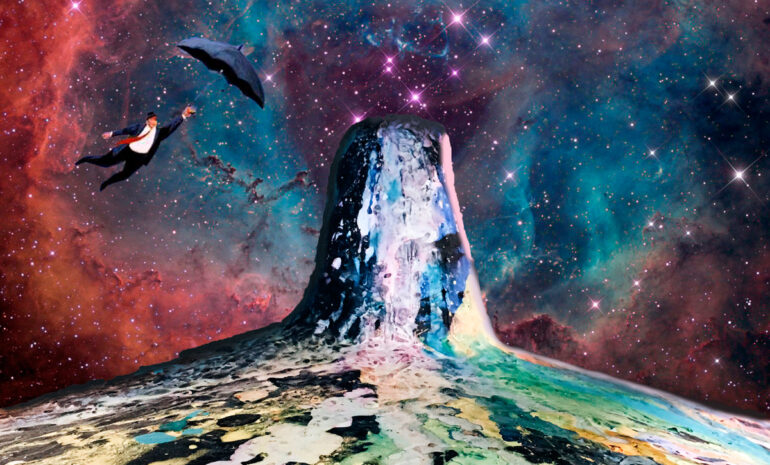
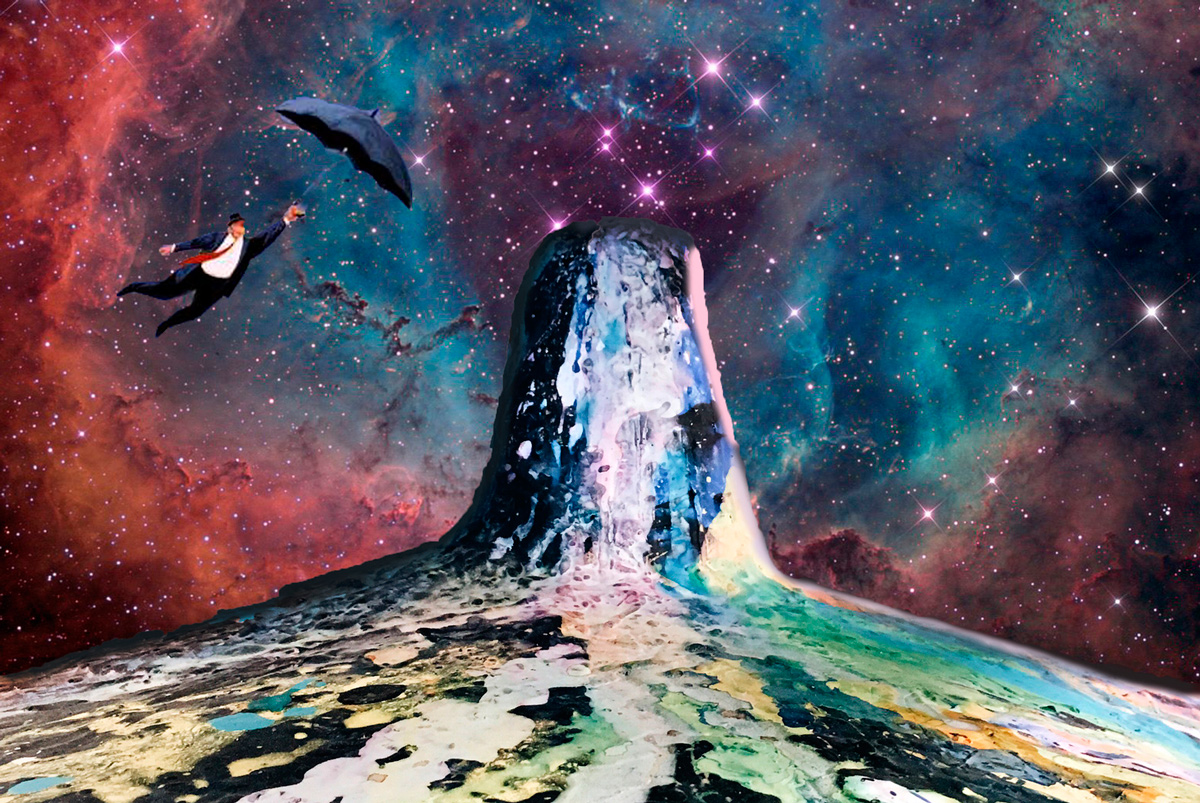
Digital Collage Design
Collage-inspired websites bring handmade creativity into digital spaces. Designers combine cutout images, stickers, illustrations, textures, and handwritten elements to create layouts that feel personal and artistic.
This approach works especially well for creative brands, portfolios, and projects that want to communicate individuality.
Modern design software makes it simple to combine different visual elements and experiment with layered compositions.
Neo-Brutalism and Anti-Design
Neo-brutalism challenges traditional ideas of polished and predictable website design. Instead of smooth minimal layouts, it embraces bold contrasts, unusual structures, raw visuals, and unexpected choices.
This style is often used by brands that want to appear rebellious, experimental, or different from competitors.
Creative industries, fashion projects, and independent designers are using anti-design principles to create websites that are difficult to forget.
Sustainable Web Design
Environmental responsibility is becoming an important part of digital design. Websites are being optimized with cleaner code, smaller file sizes, efficient images, and environmentally conscious hosting solutions.
Accessibility is also becoming a central priority. Designers are focusing on better contrast, screen reader compatibility, keyboard navigation, and inclusive experiences.
Avoiding manipulative interface patterns and creating ethical user experiences are becoming key parts of responsible web development.
AI-Powered Web Design Trends
Artificial intelligence is changing how websites are created and how users interact with them. AI tools are helping designers build smarter, more adaptive, and more personalized digital experiences.
AI is not only assisting with design workflows but also improving the way websites respond to individual visitors.
AI Chatbots and Digital Assistants
Modern AI chatbots are becoming more advanced than simple question-and-answer tools. They can guide users through complex processes, provide recommendations, and complete multi-step tasks.
Businesses are using AI assistants to improve customer support, personalize experiences, and make websites more interactive.
Voice-Controlled Website Experiences
Voice technology is becoming a bigger part of online interaction. Voice navigation helps improve accessibility and allows users to browse websites without relying only on traditional controls.
Users can search, access information, and interact with digital services through natural conversations.
This approach creates more convenient experiences, especially for users who prefer hands-free interaction.
Intelligent Lead Generation and Personalization
AI is helping websites understand visitors better and adjust experiences based on user behavior.
Instead of showing identical forms and messages to everyone, smarter systems can personalize questions, recommendations, and follow-up interactions.
This creates smoother customer journeys and helps businesses provide more relevant experiences.
Final Thoughts
Web design in 2026 will focus on creating experiences that feel interactive, personalized, expressive, and responsible. From immersive 3D environments to AI-powered personalization, the future of websites is moving toward deeper connections between people and technology.
Successful designs will not simply look impressive—they will make digital experiences easier, more enjoyable, and more meaningful for users.